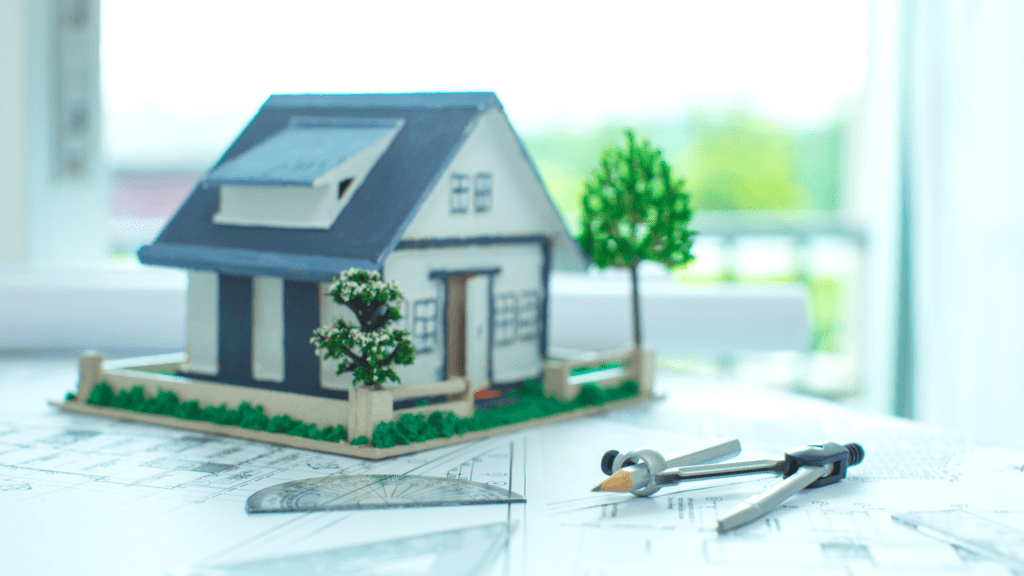
Sustainability has become a crucial aspect of modern construction. With the growing awareness of environmental issues and the need for eco-friendly buildings, the construction industry is increasingly turning to sustainable practices. This blog explores the importance of sustainability in construction, the techniques and materials that contribute to green building practices, and how construction companies can implement these practices to meet both environmental and economic goals.
What is Sustainable Construction?
Sustainable construction refers to the practice of creating buildings that are energy-efficient, environmentally friendly, and resource-conserving throughout their lifecycle. This includes everything from the materials used in construction to the energy systems within the building and the waste management strategies employed. The goal is to reduce the overall impact of construction on the environment and human health.
Key Sustainable Construction Techniques
Energy-Efficient Building Design
One of the most significant aspects of sustainable construction is designing buildings that are energy-efficient.
Features such as green roofing, high-performance insulation, and energy-efficient windows help reduce energy consumption and lower utility bills.
Use of Renewable Energy Sources
Solar panels, wind turbines, and geothermal heating systems are becoming increasingly common in new constructions.
These renewable energy sources not only reduce reliance on fossil fuels but also contribute to the building’s long-term sustainability.
Magnus Market offers a wide range of products to help integrate renewable energy solutions into construction projects.
Water Conservation
Efficient water use is another key focus in sustainable construction. Techniques like rainwater harvesting and water-efficient plumbing systems ensure that water resources are conserved throughout the building’s life cycle.
Sustainable plumbing products play a crucial role in reducing water wastage and lowering the environmental footprint of buildings.
Sustainable Building Materials
The use of recycled and eco-friendly building materials is at the core of sustainable construction.
Materials like recycled steel, bamboo, and reclaimed wood are not only environmentally friendly but also highly durable, making them excellent choices for long-lasting buildings.
Choosing low-impact materials helps reduce the carbon footprint associated with traditional construction practices.
Waste Reduction and Management
Sustainable construction practices also emphasize reducing waste and managing construction debris effectively.
Building projects can minimize waste through efficient planning, using materials with minimal waste, and recycling construction debris.
Waste management services can help construction companies properly dispose of or recycle waste generated during the construction process.
Benefits of Sustainable Construction
Reduced Environmental Impact
Sustainable construction practices help reduce the consumption of natural resources, cut down on greenhouse gas emissions, and minimize pollution.
Buildings with efficient energy systems consume less power and contribute to a cleaner environment.
Cost Savings in the Long Run
Although green buildings may have higher initial construction costs, they result in substantial savings over time.
Lower energy bills, reduced water usage, and decreased maintenance costs make sustainable buildings more affordable in the long run.
Improved Indoor Air Quality
Sustainable buildings focus on providing a healthier environment for their occupants. By using non-toxic materials and enhancing ventilation systems, these buildings offer better indoor air quality, which benefits the health and well-being of residents.
Higher Property Value
As demand for green buildings increases, properties built with sustainable practices tend to have higher market value.
Buyers and tenants are increasingly looking for eco-friendly buildings, making them a lucrative investment.
Compliance with Regulations
Many regions are introducing stricter environmental regulations, requiring construction companies to adopt sustainable practices.
By incorporating these practices, companies can stay ahead of legal requirements and avoid fines or penalties.
How Magnus PMCC Incorporates Sustainability
At Magnus PMCC, we are committed to integrating sustainable practices in all of our construction projects. From designing energy-efficient buildings to using eco-friendly materials, we strive to minimize the environmental impact of every project we undertake. Our focus on sustainable construction materials and efficient project planning ensures that our clients receive high-quality, eco-friendly buildings.
Key Sustainable Building Materials
Recycled Steel
Steel is a versatile material that can be recycled without losing its strength. Using recycled steel in construction helps reduce the need for raw material extraction, lowering the environmental impact.
Bamboo is a fast-growing, renewable resource that can be used for flooring, paneling, and even structural components in some cases.
Its durability, combined with its rapid growth cycle, makes bamboo an ideal sustainable material.
Reclaimed Wood
Using reclaimed wood from old buildings or structures prevents deforestation and gives the wood a second life.
It adds character to buildings while reducing the demand for new timber.
Insulated Concrete Forms (ICF)
ICFs are energy-efficient construction materials made from expanded polystyrene foam and concrete.
They offer superior insulation, which helps reduce heating and cooling costs, making buildings more energy-efficient.
The Future of Sustainable Construction
The future of construction is undoubtedly green. As technology advances, so do the techniques for creating more sustainable buildings. New materials, improved energy systems, and better waste management practices will continue to shape the construction industry. By adopting these sustainable practices, we can build a better future for generations to come.
Quick Access to Sustainable Construction Resources
Sustainable construction is no longer just an option; it’s a necessity. As the world becomes more conscious of environmental issues, the demand for green buildings continues to rise. By integrating sustainable practices in construction projects, companies not only contribute to a healthier planet but also reap long-term financial and operational benefits. At Magnus PMCC, we are dedicated to building a greener future through the adoption of eco-friendly construction techniques and materials.